Web Development 101
For the Beginners
There are chances that you read from a desktop or smartphone's browser at least once daily. Have you thought of how these information are made available in front of your computer or smartphone? These information are displayed as Web pages through Web development, which is done by Web developers. At the very basics of website development is a text editor like MS Windows' built-in Notepad, Notepad ++ or Apple's Text Edit. Web development is a field of programming that deals with client side or frontend development of Internet or intranet static pages, Web applications or services.
“My code DOESN’T work, I have no idea why. My code WORKS, I have no idea why.”
“If at first you don’t succeed; call it version 1.0.”
Related Concepts
- Network

A network is a connection of computers, devices working together remotely or physically and sharing resources almost spontaneously.
- Web page
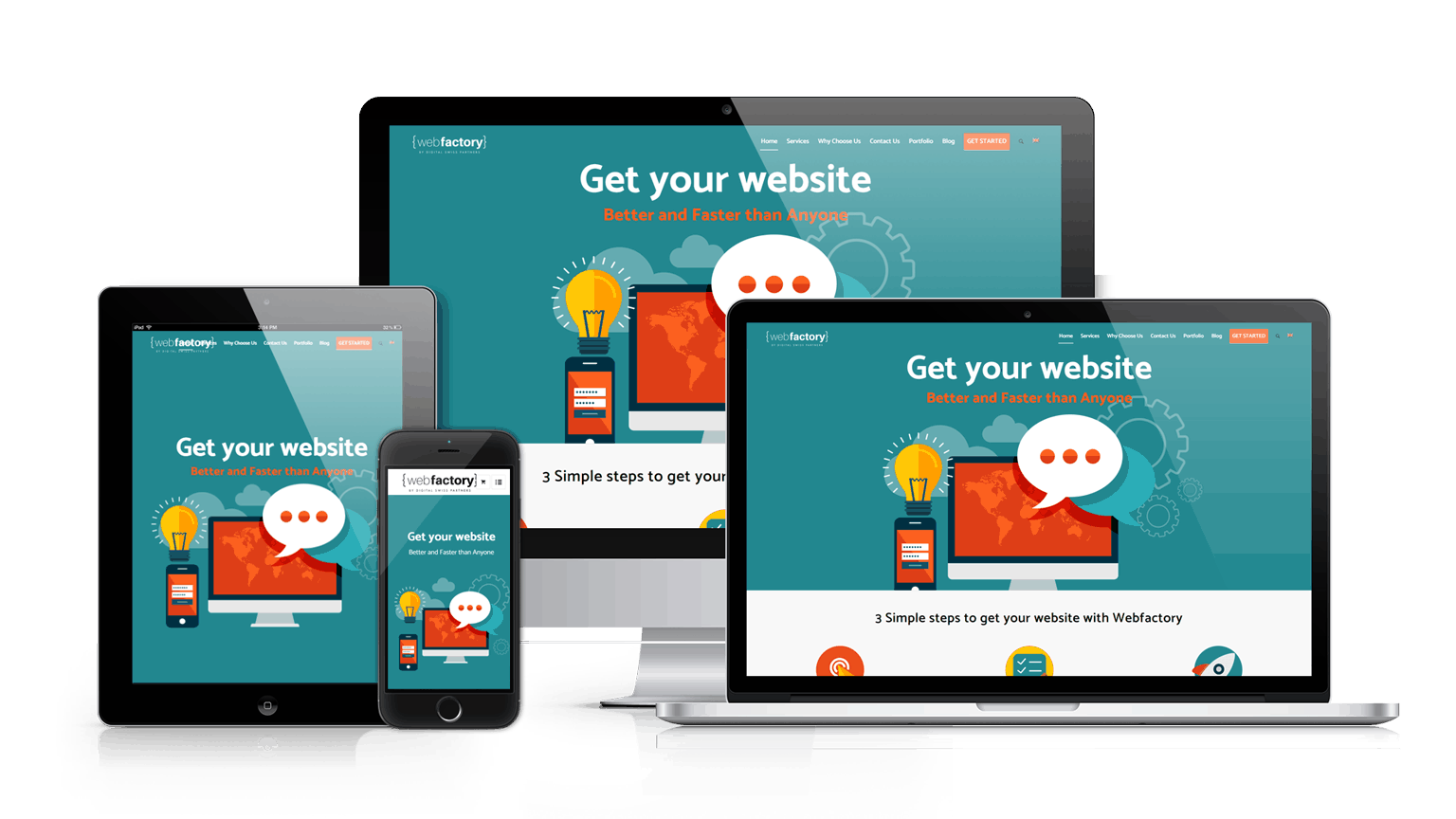
A Web page is the one-time displayed part of a website. It could be static, dynamic and/or responsive.
- URL
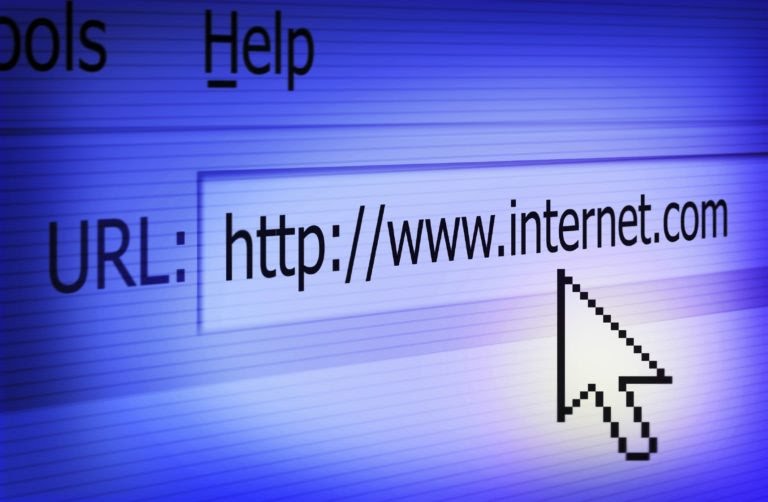
A Uniform Resource Locator. Normally displayed at the address bar of a browser, this is the name of a website. It is such that humans can recall easily, not like an IP address.
- Links

A link connects a Web page to a Web page, a website to a website in order to access information or data found on the referenced target. Almost everything on a website can be linked: images, headings, texts, etc. By default, links are underlined, blue pieces of text. They are triggered by clicks or automatically. This is a default link.
- Domain name
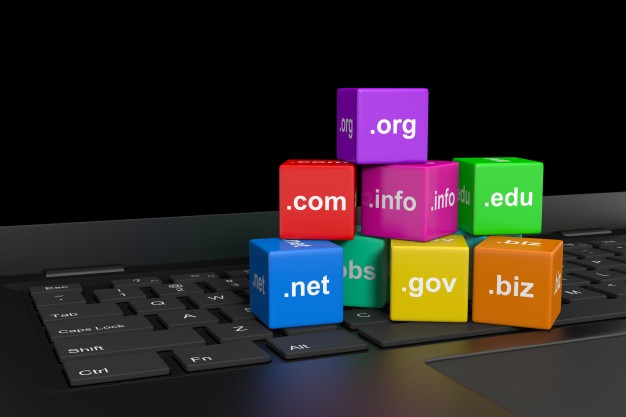
This is the suffix that ends a website's URL. The domain is determinant of the purpose of the website. This means that, if a website's domain name ends with .com, .gov or .org, we know that the website is a commercial website, a government's website, or an organisation respectively. Some domain names are specific to regions, causes, etc. This is a list of domains and their purposes, with the most common domain extensions being .blog, .edu, .com, .net, .org, .gov, etc.
- Domain name hosting
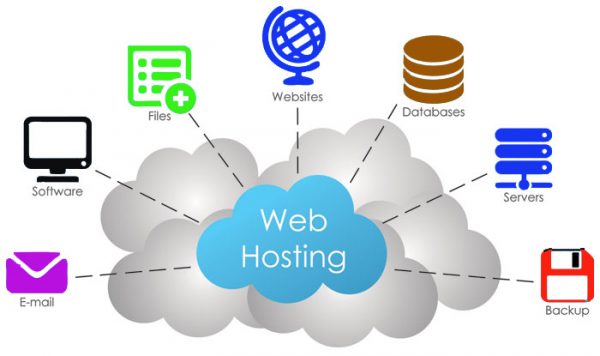
This means keeping your website on the Internet. After hours of keyboard strokes in a poorly lit room building your website, you need a virtual place on the Internet where your website will live. Major hosting companies offer solutions that increase the productivity of your business online like SEO tools and analytics solutions.
- Web language
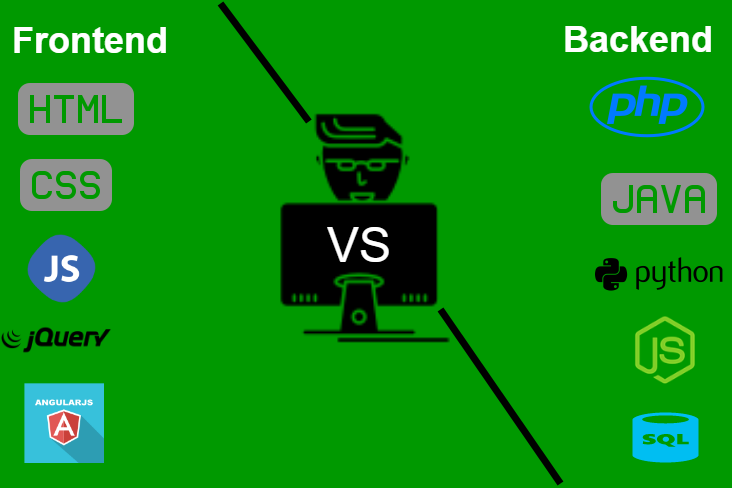
A Web language is a computer language used in building a website and Web applications. It's written in a code editor and rendered by a browser. A computer language is similar to human languages as they have specific syntax and semantics. The most visited websites these days group three main types of languages: frontend, backend and database languages. One can build an appealing and useful website with only three languages: HTML, CSS and JAVASCRIPT.
- FTP: File Transfer Protocol
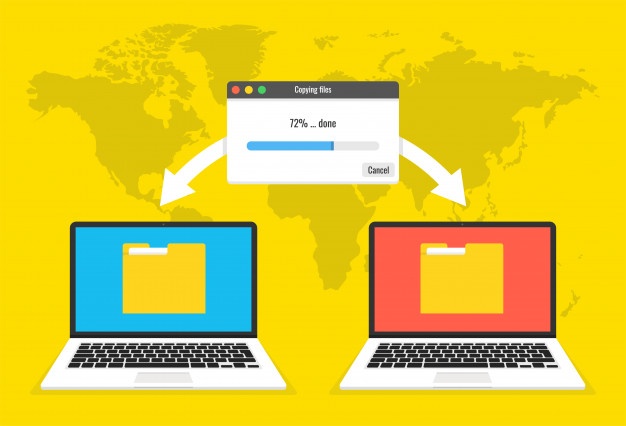
This is an Internet protocol used in uploading a website to a server offered by a hosting company. There are free FTP softwares with basic, but useful functionalities. There are paid FTP softwares with advanced and empowering functionalities and services.
- Code editors
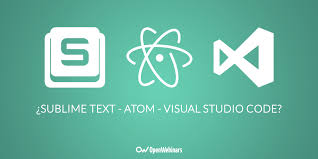
A code editor permits programmers to write and edit code. This code is then saved in a particular file extension. Web pages are saved in .html, for the most and are rendered by a browser. Here's a list of code editors.
- Tag
A tag is a <metadata> which permits the browser to read and render the information which it surrounds. For the most, tags exist in pairs: an opening tag and its corresponding closing tag. The most common tags are <HTML> and </HTML>, <! DOCTYPE html>, <Title> and </title>, <Body> and </Body>, <H1> and </H1>, and <Head> and </head>.
HyperText Markup Language. It's a markup language. This means that, it's responsible for the basic disposition of Web pages' content. I like to describe HTML as the skeleton of a Web page. As of now, the latest version of HTML is HTML 5, which is a semantic version. It's semantic because its tags mean what they are read. For example, the <article> tag presents articles.
Cascading Style Sheet. This language gives more styling options, and improves the accent and dynamics of a Web page. I like to describe CSS as the modelling side of the Internet. The most recent version of CSS is CSS 3.
A script is a (bit of a) program that executes a predefined action when a user initiates a task. This is an essential scripting programming language in Web development. It is used for interaction between the user (client) and the server. It equally enables animations on Web pages.
Interested in Web development? Do not fail to read my other articles about this. In Cameroon, it's a lucrative, growing and flexible job. Web developers earn upto 300.000 francs cfa a month, depending on the number of languages they know. To get started with website development, you don't need the cream of the cream computers. A quad core computer with 250 Gb of storage, 4 Gb Ram running on Windows 7 will do well. Before you leave, here's the gift I promised:
1. Download a free text editor: Sublime Text, Atom, Notepad ++, etc.
2. Head to these Web sites:
3. How to download the websites if you want to be able to browse them without Internet.
4. Create or join a peer learning community (on their website or their social media pages)
Don't stop learning. Motivate yourself always. You may slowdown, but never stop learning. You will not grasp the concepts right on, but continue. Continuity and consistency.