Sunflower Oil for Sale in Azerbaijan (Metric Tons): The Complete Buyer's Guide
If you want to buy sunflower oil in Azerbaijan, you have to choose between many grades, packaging formats and suppliers
Sunflower Oil for Sale in Azerbaijan (Metric Tons): The Complete Buyer's Guide
If you want to buy sunflower oil in Azerbaijan, you have to choose between many grades, packaging formats and suppliers. Sunflower oil is one of the most widely used edible oils in the region. It goes into home kitchens in Baku and Ganja, restaurant fryers, bakeries, and food factories that need a neutral, stable oil. Whether you buy one pallet or several metric tons, the same questions apply: which grade, what specification, who is a reliable supplier, and how does the oil reach you?
This guide covers all of it. It explains the types of sunflower oil, how to read a specification sheet, how bulk shipping to Azerbaijan works, what affects price, and how to avoid the mistakes that cost importers money. It is written for household and retail buyers, HoReCa operators, industrial users and B2B distributors.
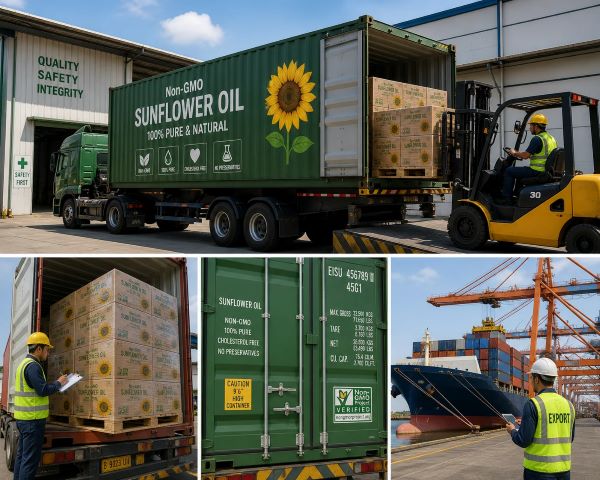
Key Takeaways
- Refined sunflower oil suits most retail, restaurant and food-processing needs. Crude oil is for buyers with their own refining capacity.
- Always request a specification sheet, a certificate of analysis (COA) and the supplier's food-safety certificates before you commit to a purchase.
- Bulk orders usually ship in flexitanks, ISO tanks, drums or IBC totes. Bottled oil ships in cartons on pallets.
- Price depends on the global oilseed market, the grade, the packaging and the freight route. Ask for a written quote with the Incoterm stated.
- Check import documentation and labeling requirements with Azerbaijani authorities before you ship.
Why Sunflower Oil Demand Is Strong in Azerbaijan
Azerbaijan has a large food-service sector, a growing packaged-food industry and a home cooking culture built on frying, sautéing and baking. Sunflower oil fits all three because it has a light taste, a high smoke point when refined, and a familiar profile for consumers across the Caucasus, Türkiye, Iran and Central Asia.
Azerbaijan's location on the Caspian Sea and its trade links to Türkiye, Georgia, Russia and Iran also make it a natural hub for edible oil distribution. Importers here often buy from more than one origin, including Black Sea producers and East African exporters, to reduce supply risk. That is one reason buyers now look at sunflower oil from Tanzania alongside traditional sources.
Who Buys Sunflower Oil in Azerbaijan?
- Households and retail consumers: bottles of 1 L, 2 L, 5 L and larger, bought through supermarkets, markets and online.
- HoReCa (hotels, restaurants, catering): 5 L to 20 L containers and drums for daily frying and cooking.
- Industrial and manufacturing users: bakeries, snack producers, sauce and margarine makers, and canneries, buying by the metric ton.
- B2B distributors and wholesalers: importers who repack or resell to smaller businesses across regions.
Types of Sunflower Oil You Can Buy
Not all sunflower oil is the same. Knowing the differences helps you buy the right product at the right price.
Refined Sunflower Oil
Refined oil has been degummed, neutralized, bleached and deodorized. The result is a clear, pale, neutral-tasting oil with a long shelf life and a high smoke point, which makes it the standard choice for frying and general cooking. Most buyers who search for sunflower oil for sale in Azerbaijan want this grade. See Eco Edge's range of refined sunflower oil and bulk refined sunflower oils.
Crude Sunflower Oil
Crude oil is pressed or solvent-extracted and only filtered. It has a stronger flavor, more color and higher free fatty acids. Buyers with their own refinery, or buyers making biodiesel feedstock, choose it for lower cost per ton. Learn more about crude sunflower oil.
Cold-Pressed Sunflower Oil
Cold-pressed oil is extracted mechanically at lower temperatures without chemical solvents. It keeps more of the seed's natural flavor, color and some vitamin E. It suits premium retail, salad dressings and buyers who want a less processed product. Explore cold-pressed sunflower oil.
Organic Sunflower Oil
Organic oil comes from seed grown under certified organic standards. Always ask for the certificate and confirm it is valid for your destination market. See bulk organic sunflower oil.
High-Oleic vs Standard (Linoleic) Sunflower Oil
Standard sunflower oil is rich in linoleic acid. High-oleic sunflower oil has a higher share of oleic acid, the same monounsaturated fat found in olive oil. High-oleic oil is more stable under heat and lasts longer in the fryer, so industrial and HoReCa users often prefer it for heavy frying.
GradeBest ForFlavorTypical BuyerRefinedFrying, baking, general cookingNeutralRetail, HoReCa, industryCrudeFurther refining, biodiesel feedstockStrong, seedyRefiners, energy sectorCold-pressedDressings, premium retailMild, nuttyPremium retail, specialty foodOrganicCertified organic productsVaries by processHealth-focused retailHigh-oleicHeavy commercial fryingNeutralSnack makers, restaurants
How Sunflower Oil Is Made From Sunflower Seeds
Buyers often ask how do we get sunflower oil from sunflower seeds. Understanding the process helps you judge quality claims.
- Harvesting and cleaning: seeds are harvested when dry, then cleaned to remove stalks, dust and foreign matter.
- Dehulling and conditioning (optional): the outer hull may be partly removed, and the seed is warmed to improve oil release.
- Pressing: a screw press squeezes out the oil. Cold pressing uses lower temperatures.
- Solvent extraction (for large-scale production): the remaining press cake is treated with a food-grade solvent, typically hexane, to recover more oil. The solvent is then removed.
- Refining: degumming removes phospholipids, neutralization removes free fatty acids, bleaching removes color, and deodorization removes odor and flavor.
- Filtering, testing and packing: the finished oil is tested against specification and filled into bottles, drums, IBCs or bulk tanks.
Making sunflower oil at home from sunflowers is possible on a small scale with a manual or electric seed press, but the yield is low and the oil is not comparable to commercial product. Commercial buyers should always buy against a specification.
How to Read a Sunflower Oil Specification Sheet
A good supplier gives you a technical specification before you place an order. The parameters below are the ones that matter most. Exact limits depend on the grade and on the standard used, so always compare the supplier's sheet with the contract and with the requirements of your end market.
ParameterWhat It Tells YouFree fatty acids (FFA)Freshness and refining quality. Lower is better for refined oil.Peroxide valueEarly oxidation. Lower means fresher oil.Moisture and volatile matterWater content that can shorten shelf life.Color (Lovibond)Visual quality of refined oil.Fatty acid profileConfirms standard, mid-oleic or high-oleic type.Impurities and sedimentCleanliness and filtration quality.Contaminants (heavy metals, pesticide residues)Safety and compliance.
International reference points include the Codex Alimentarius standard for named vegetable oils, published by the FAO/WHO Codex Alimentarius. Ask your supplier which standard applies to the batch you are buying.
Buying Sunflower Oil in Bulk Metric Tons
Bulk buying lowers the cost per liter and gives you control over the supply chain. It also brings more responsibility for documentation, logistics and quality checks. Here are the common formats.
Common Bulk Packaging Options
- Flexitank (in a 20 ft container): a food-grade liner for shipping bulk liquid, often used for single large shipments.
- ISO tank container: a reusable stainless steel tank, suited to regular, high-volume shipments.
- Drums (about 200 L): easier to store and distribute in smaller lots.
- IBC totes (about 1,000 L): a middle option for mid-sized users and repackers.
- Bottled or jerrycan cartons: 1 L to 20 L formats ready for retail or HoReCa.
For very large orders, see Eco Edge's page on 25 metric tons of refined sunflower oil, or bottled sunflower oil for retail programs.
Understanding Incoterms
Your quote should state the Incoterm, because it decides who pays for freight, insurance and risk at each stage. The most common terms for edible oil are FOB (buyer arranges the sea freight), CFR or CIF (seller arranges freight, and under CIF insurance too) and DAP (seller delivers to a named place). The International Chamber of Commerce publishes the official Incoterms rules.
Shipping Routes to Azerbaijan
Azerbaijan is landlocked in the sense that it has no direct ocean access. Cargo from overseas usually reaches the region through a Black Sea or Mediterranean port and then moves by rail, road or the Caspian and the Middle Corridor. The Port of Baku is the main Caspian gateway, and Georgian ports such as Poti and Batumi are common transit points. Transit time, cost and handling vary by route, so ask your supplier or freight forwarder to quote each option in writing.
Expert Insight: On multi-country routes, the cheapest quote is rarely the cheapest delivered price. Ask the forwarder to itemize port fees, transit documents, storage and demurrage. Delays at a transit point can cost more than a higher freight rate would have.
What Affects the Price of Sunflower Oil in Azerbaijan?
Buyers searching for sunflower oil price in Azerbaijan or sunflower oil price per kg will find that prices move over time. No honest supplier can promise a fixed number without knowing your specification, volume and delivery point. These are the main drivers:
- Global oilseed and vegetable oil markets: sunflower, palm, soybean and rapeseed prices influence each other.
- Harvest size and weather: poor harvests in major growing regions lift prices.
- Grade and specification: refined, high-oleic and organic oils cost more than crude.
- Packaging: bulk is cheaper per liter than bottled.
- Freight and insurance: route, container availability and fuel costs.
- Import duties and taxes: confirm current rates with Azerbaijan's State Customs Committee.
- Currency exchange rates: especially when the contract is in USD and you sell in AZN.
For a quote, use Eco Edge's bulk cooking oil quote page or review the B2B vegetable oil price information.
How to Choose a Sunflower Oil Supplier
Searches like sunflower oil manufacturers in Azerbaijan, sunflower oil exporters and Ukraine sunflower oil manufacturers show that buyers compare many origins. Whatever the origin, judge each supplier on the same checklist.
Supplier Due Diligence Checklist
- Company registration: verify legal name, address and registration details.
- Food-safety certification: ask for current ISO 22000, HACCP, FSSC 22000 or equivalent certificates and check the issuing body. Eco Edge lists its certified sunflower oil supplier credentials on its site; confirm the current documents directly before ordering.
- Certificate of analysis: request a COA for the actual batch, not a generic sample.
- Samples: test a sample in your own process or a third-party lab before a full order.
- Traceability: can the supplier trace the oil back to seed origin and production date?
- Contract terms: payment terms, Incoterm, quantity tolerance, delivery window and claims process.
- References and track record: ask for buyers you can contact.
You can start with Eco Edge's bulk sunflower oil supplier page or browse the full edible oil category.
Sunflower Oil for Each Type of Buyer
Household and Retail Consumers
For home use, refined sunflower oil in 1 L to 5 L bottles is the everyday choice. Look for a clear label with the production date, best-before date, batch number and the importer's details. Store the bottle away from heat and light, and close the cap after each use to slow oxidation.
Food Service and HoReCa
Restaurants and caterers need consistent frying performance and predictable cost. Refined or high-oleic oil in 10 L to 20 L containers or drums cuts packaging waste. Filter the oil daily, keep frying temperature under control, and replace oil when it darkens, smokes early or smells off. See Eco Edge's commercial frying oil and cooking oil in bulk options.
Industrial and Manufacturing Users
Bakeries, snack producers, sauce manufacturers and canneries buy by specification and by the metric ton. They care most about FFA, peroxide value, fatty acid profile and delivery reliability. Long-term supply agreements with agreed specifications and tolerances protect production schedules. Buyers in energy and biofuel should review biodiesel feedstock oil.
B2B Distribution Strategy
Distributors in Azerbaijan usually combine bulk imports with local repacking or branded bottled lines. A sound strategy includes:
- Segment customers into retail chains, HoReCa accounts and industrial users, each with its own pack size and price list.
- Hold buffer stock to cover shipping delays, since sea and rail transit can vary.
- Split sourcing between two suppliers or origins to reduce risk.
- Negotiate volume-based pricing and clear claims terms in writing.
- Keep batch records so you can trace any complaint back to a shipment.
Import Requirements and Compliance in Azerbaijan
Importing edible oil is a regulated activity. Requirements change, so verify them with official sources before you sign a contract. In general you should prepare the following, and confirm the details with the State Customs Committee and the national food safety authority:
- Commercial invoice, packing list and bill of lading or transport document
- Certificate of origin
- Certificate of analysis and food-safety documentation
- Any phytosanitary, quality or conformity documents required for the product
- Labeling that meets local language and content rules
Important: This guide is general information and not legal or customs advice. Rules, duties and documents can change. Confirm current requirements with a licensed customs broker or the relevant authority.
Is Sunflower Oil Healthy? Answers to Common Concerns
Searches such as why sunflower oil is not healthy and why is sunflower oil so bad for you are common, so a trustworthy supplier page should address them fairly.
Sunflower oil is a plant oil rich in unsaturated fats and vitamin E. Like all fats, it is energy-dense, and health outcomes depend on how much you eat and how you cook. Standard sunflower oil is high in linoleic acid, an omega-6 fatty acid. Health bodies generally treat moderate omega-6 intake as part of a balanced diet, and dietary advice usually focuses on replacing saturated fat with unsaturated fat and avoiding repeated reheating of frying oil. The concern is greatest with oil that is reused many times, because it degrades and can form unwanted compounds. For personal health guidance, consult a qualified nutrition professional. For general information, see the World Health Organization's healthy diet fact sheet.
Is Sunflower Oil Kosher?
Plain vegetable oils are generally considered kosher in principle, but certified kosher status depends on the facility, the equipment and the additives used. If you need kosher (or halal) certified oil, ask for a valid certificate from a recognized certifying body for the specific product and plant.
What Oil Is Closest to Sunflower Oil?
Refined rapeseed (canola) oil and refined corn oil are the closest substitutes, because they are neutral in taste and suitable for frying. Safflower oil is similar in fatty acid profile. Compare refined rapeseed oil and refined corn oil if you want to diversify supply.
Sunflower Oil vs Other Cooking Oils
OilFlavorHeat StabilityTypical UseRefined sunflowerNeutralGoodFrying, baking, general cookingHigh-oleic sunflowerNeutralVery goodHeavy commercial fryingRapeseed (canola)NeutralGoodCooking, dressingsCornMildGoodFrying, bakingOlive (extra virgin)Distinct, fruityModerateDressings, finishing, light cookingPeanutMild, nuttyGoodFrying; allergen labeling required
How to Store and Handle Sunflower Oil
- Store in a cool, dark place away from direct sunlight and heat sources.
- Keep containers sealed to limit contact with air and moisture.
- Use food-grade, clean containers and equipment, and avoid mixing batches.
- Follow first-in, first-out stock rotation.
- Check the best-before date and look for off smell or cloudiness before use.
Common Mistakes When Buying Sunflower Oil in Azerbaijan
- Buying on price alone. A low price with no specification often hides poor quality or hidden costs.
- Skipping the sample. Always test before a full container order.
- Unclear Incoterms. Vague terms lead to disputes over freight and risk.
- Ignoring documentation. Missing certificates can hold cargo at the border.
- Not checking the certificate of analysis for the actual batch.
- Single-source dependence. One supplier or route is a supply risk.
- Poor storage. Heat and light shorten shelf life and waste money.
- Paying in full upfront with an unverified seller. Use secure payment terms and verify the company first.
Best Practices for a Reliable Supply Chain
- Write a clear purchase specification and attach it to every contract.
- Ask for pre-shipment samples and an independent inspection for large orders.
- Agree on quantity tolerance, delivery window and a claims procedure in writing.
- Work with an experienced customs broker on the Azerbaijan side.
- Plan stock levels around transit time, not just consumption.
- Review supplier performance every quarter.
How to Order Sunflower Oil from Eco Edge: Step by Step
- Define your need: grade, volume, packaging and delivery point.
- Send an inquiry: use the Eco Edge contact page or the quote pages linked above.
- Review the specification and quote: confirm price, Incoterm and timing.
- Approve a sample: test it against your requirements.
- Sign the contract and arrange payment: use agreed, secure terms.
- Ship and clear customs: track the cargo and prepare import documents in advance.
- Receive and inspect: compare the delivered goods with the COA and contract.
Frequently Asked Questions
1. Where can I buy sunflower oil in Azerbaijan?
You can buy sunflower oil in Azerbaijan from local supermarkets and markets for household use, and from importers, distributors and international exporters for bulk quantities. For metric ton orders, contact a supplier such as Eco Edge for a written quote.
2. What is the minimum order for bulk sunflower oil?
It depends on the supplier and packaging. Drums and IBCs allow smaller lots, while flexitanks and ISO tanks suit full container loads, often around 20 metric tons or more. Confirm the current minimum with the supplier.
3. What is the price of sunflower oil in Azerbaijan?
Prices change with the global vegetable oil market, grade, packaging, freight and taxes. Request a current quote that states the Incoterm and specification.
4. What is the difference between refined and crude sunflower oil?
Refined oil is processed to remove impurities, color and odor, giving a neutral taste and long shelf life. Crude oil is only filtered and needs further refining before most food uses.
5. Is sunflower oil good for frying?
Yes. Refined sunflower oil has a high smoke point and neutral taste. High-oleic sunflower oil is even more stable for repeated frying.
6. Is sunflower oil kosher or halal?
Plain vegetable oil is generally acceptable in principle, but certified status depends on the plant and process. Ask the supplier for a valid kosher or halal certificate if you need one.
7. Why do some people say sunflower oil is unhealthy?
Concerns usually relate to high omega-6 content and to reusing oil many times at high heat. Used in moderation and not repeatedly reheated, it can fit in a balanced diet. Consult a nutrition professional for personal advice.
8. How long does sunflower oil last?
Sealed refined oil commonly has a shelf life of about 12 months or longer when stored properly. Always follow the best-before date on the label.
9. What documents do I need to import sunflower oil into Azerbaijan?
Typically a commercial invoice, packing list, transport document, certificate of origin, certificate of analysis and any food-safety or conformity papers required. Check current rules with customs and food safety authorities.
10. Can I get a sample before ordering in bulk?
Reputable suppliers offer samples or pre-shipment testing. Ask Eco Edge about sample availability and terms when you request your quote.
11. What oil can replace sunflower oil?
Refined rapeseed (canola), corn and safflower oils are the closest substitutes for neutral-flavor cooking.
12. How is sunflower oil made?
Seeds are cleaned, pressed and often solvent-extracted, then the oil is refined through degumming, neutralization, bleaching and deodorization before packing.
Related Search Terms and Resources
Buyers researching this topic often also look for wholesale cooking oil, edible oil exporters, vegetable oil suppliers, cold-pressed edible oil and bulk peanut oil. Explore Eco Edge's wholesale African sunflower oil, bulk African sunflower oil from Tanzania, bulk cooking oil supplier, cold-pressed cooking oil, chemical-free extracted oil and peanut oil.
Conclusion: Get Your Sunflower Oil Quote Today
To buy sunflower oil in Azerbaijan with confidence, define your grade and volume, ask for a specification and certificate of analysis, test a sample, and confirm the Incoterm, documents and delivery route in writing. Doing this protects your margin and your customers, whether you supply households, restaurants, factories or other distributors.
Ready to source? Contact Eco Edge Company Limited for a bulk sunflower oil quote for Azerbaijan, and tell us your grade, quantity and delivery point.
Request a Bulk Sunflower Oil Quote
About the author: [Insert author name, role and years of experience in edible oil trade]. Reviewed by: [Insert reviewer]. Last updated: [Insert date].