Why Ion Exchange Resin is the Best Solution for Water Softening in 2026
ion exchange resin, Water Softening Resin, water softener ion exchange, Water Softening
What Causes Hard Water?
Ever noticed white stains on your taps or soap that just refuses to lather properly? That’s hard water in action. Hard water is primarily caused by dissolved minerals like calcium (Ca²⁺) and magnesium (Mg²⁺). These minerals enter water as it passes through soil and rock formations, making it rich in hardness ions. According to recent studies, hard water is one of the most common water quality issues worldwide, affecting both households and industries.
The presence of these minerals may not seem harmful at first glance, but over time, they can lead to significant issues. Think of it like cholesterol in arteries—slowly building up and eventually causing blockages. Similarly, mineral deposits accumulate in pipes, appliances, and industrial systems, reducing efficiency and increasing maintenance costs.
Effects of Hard Water on Daily Life and Industry
Hard water doesn’t just affect your plumbing—it impacts your daily life in ways you might not even realize. From dull laundry and dry skin to increased soap usage, the effects are widespread. In industrial settings, the consequences are even more severe. Scale buildup in boilers and heat exchangers reduces energy efficiency and can lead to costly downtime.
In fact, industries rely heavily on effective Water Treatment because even a thin layer of scale can reduce heat transfer efficiency significantly. This means higher energy consumption and operational costs. That’s where ion exchange resin steps in as a game-changing solution.
What is Ion Exchange Resin?
Basic Definition and Structure
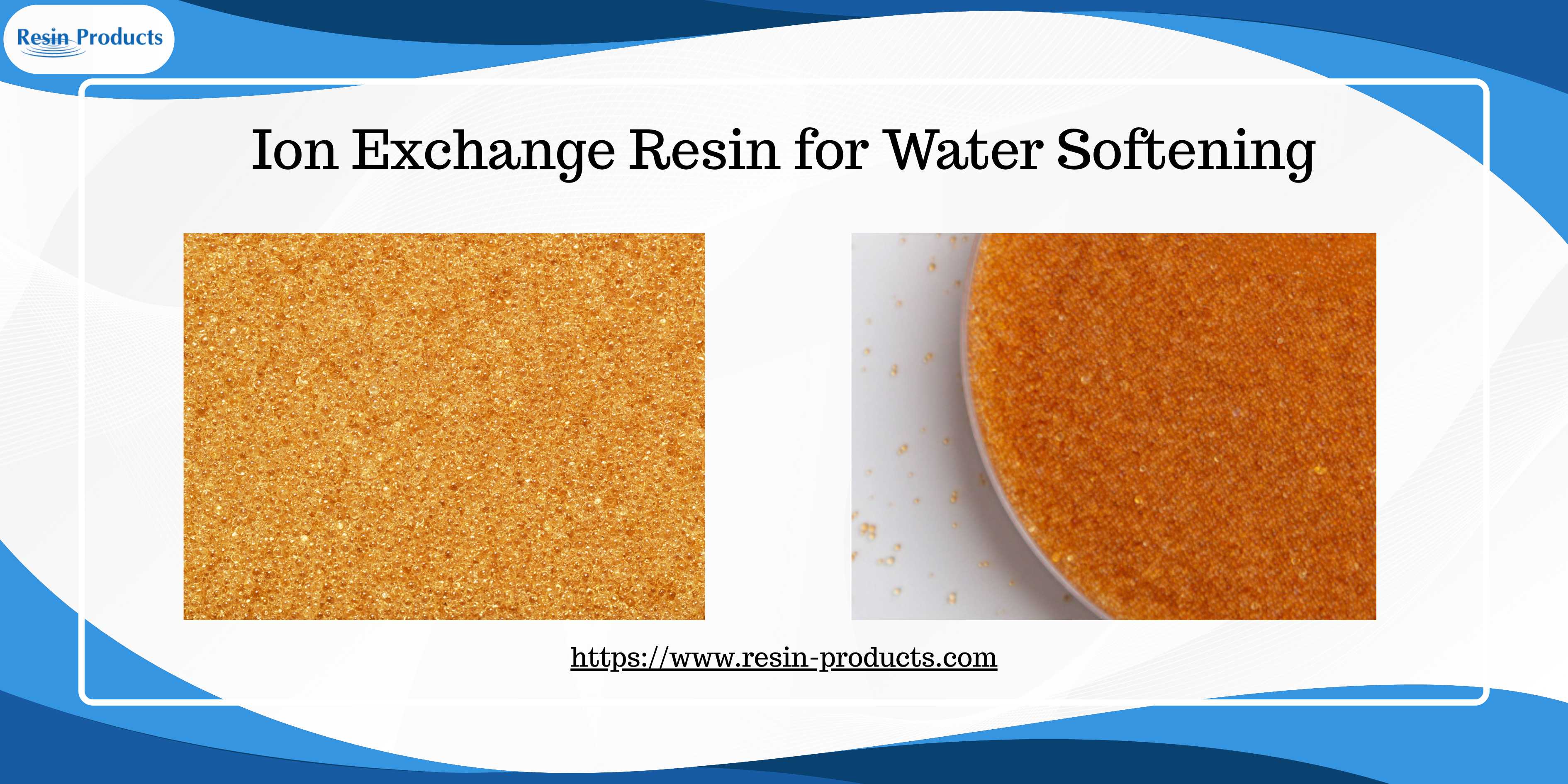
At its core, ion exchange resin is a specially designed polymer bead that removes unwanted ions from water by replacing them with more desirable ones. These resins are typically made from cross-linked polystyrene and contain functional groups that attract and hold ions.
Imagine these Resin Beads as tiny magnets. They attract specific ions and swap them out, ensuring that your water is treated effectively. This process is not only efficient but also highly reliable, making it a preferred choice for water treatment systems across industries.
Types of Ion Exchange Resins
Ion exchange resins are not one-size-fits-all. They come in different types, each designed for specific applications:
- Cation Exchange Resins: Remove positively charged ions like calcium and magnesium
- Anion Exchange Resins: Remove negatively charged ions like chloride and sulfate
- Mixed Bed Resins: Combine both for high-purity water
Each type plays a crucial role in water treatment, but when it comes to water softening, cation exchange resins are the star of the show.
How Ion Exchange Resin Works in Water Softening
Ion Exchange Process Explained
The science behind water softening might sound complex, but it’s actually quite straightforward. When hard water passes through a bed of ion exchange resin, the resin beads capture calcium and magnesium ions and replace them with sodium ions.
Think of it like a trade—calcium and magnesium are “traded out” for sodium, which doesn’t cause scaling. This simple exchange transforms hard water into soft water, making it more suitable for everyday use.
Role of Sodium Ions in Softening
Sodium ions play a crucial role in this process. Unlike calcium and magnesium, sodium doesn’t form scale deposits. This means your pipes stay cleaner, your appliances last longer, and your energy bills stay lower.
The reaction can be summarized as:Hard Water (Ca²⁺/Mg²⁺) + Resin (Na⁺) → Soft Water (Na⁺) + Resin (Ca²⁺/Mg²⁺)
This continuous exchange ensures consistent water quality, making water softening resin an essential component in modern water treatment systems.
What is Water Softening Resin?
Key Features of Water Softening Resin
Water softening resin is specifically designed to remove hardness from water efficiently. These resins offer high exchange capacity, durability, and long service life. They can handle large volumes of water while maintaining consistent performance.
One of the standout features is their ability to regenerate. Once saturated with hardness ions, the resin can be restored using a salt solution, making it reusable and cost-effective.
Applications in Residential and Industrial Use
From homes to large-scale industries, water softening resin is used everywhere. In households, it ensures better cleaning, softer skin, and longer-lasting appliances. In industries, it protects equipment, improves efficiency, and reduces maintenance costs.
Industries such as pharmaceuticals, food processing, and power generation rely heavily on soft water for their operations. Without effective softening, these industries would face significant operational challenges.
Uniform Particle Size Resins Explained
What Makes Them Different?
Uniform Particle Size (UPS) resins are an advanced version of traditional resins. Unlike conventional resins with varying bead sizes, UPS resins have consistent particle size, ensuring uniform flow and better performance.
This might sound like a small difference, but it has a huge impact on efficiency. Uniform particles allow for better contact between water and resin, improving the overall ion exchange process.
Benefits of Uniform Particle Technology
The advantages of UPS resins are hard to ignore. They offer improved kinetics, higher efficiency, and reduced pressure drop. This means faster processing and lower operational costs.
Here’s a quick comparison:
When comparing conventional resin with uniform particle resin, the differences become quite clear in terms of performance and efficiency. Conventional resin typically has uneven particle sizes, which can lead to inconsistent flow patterns during operation. This irregularity results in moderate efficiency, as the water does not interact evenly with all resin beads. Additionally, the uneven structure often causes a higher pressure drop, meaning systems have to work harder to push water through the resin bed. As a result, overall performance tends to be variable, depending on operating conditions.
On the other hand, uniform particle resin is engineered with consistent bead sizes, ensuring a more balanced and predictable flow of water. This uniformity significantly improves contact between water and resin, leading to higher efficiency in ion exchange. It also reduces resistance within the system, resulting in a lower pressure drop, which helps save energy and improve system longevity. Because of these advantages, uniform particle resins deliver consistent and reliable performance, making them a superior choice for modern water treatment applications.
For businesses looking to optimize their water treatment systems, UPS resins from Resin Products provide a clear advantage.
Advantages of Using Ion Exchange Resin
Efficiency and Cost Savings
One of the biggest advantages of ion exchange resin is its efficiency. It can reduce water hardness to very low levels, often below 2 ppm, ensuring high-quality water.
This level of efficiency translates into cost savings. With less scaling, equipment runs more efficiently, consumes less energy, and requires less maintenance. Over time, these savings can be substantial.
Long-Term Performance
Another major benefit is durability. Ion exchange resins are designed to last for years with proper maintenance. Their ability to regenerate ensures continuous performance without frequent replacements.
This makes them a sustainable and economical choice for both residential and industrial applications.
Why Choose Resin Products?
Quality and Innovation
When it comes to water treatment, quality matters. Resin Products offers high-performance ion exchange resins that meet industry standards and deliver reliable results. Their products are designed with advanced technology to ensure maximum efficiency and durability.
Wide Range of Applications
From water softening to demineralization, Resin Products provides solutions for various applications. Their range includes standard resins as well as advanced uniform particle size resins, catering to diverse needs.
Whether you’re a homeowner or an industrial operator, choosing Resin Products means investing in quality, performance, and peace of mind.
Conclusion
Water quality is no longer a luxury—it’s a necessity. With increasing demand for efficient and sustainable solutions, ion exchange resin has emerged as the gold standard for water softening. Its ability to remove hardness, improve efficiency, and reduce costs makes it an indispensable part of modern water treatment systems.
By choosing high-quality solutions like those offered by Resin Products, you’re not just treating water—you’re enhancing performance, saving costs, and ensuring long-term reliability.